Strong, healthy communities start with engaged citizens. Getting involved creates the opportunity to live healthy lives, including access to fresh, affordable food, nice parks, safe streets, good jobs and transportation to get there. Healthy choices may seem like easy choices, but they aren’t a given in every community. Decisions about investing in our communities are made by board members and elected officials on the school board and city council and in the state legislature. Do you know them? Do they know you? They should! After all, YOU know what your community needs!
Healthier
Communities
Start Here.
Healthy communities don't happen by accident. They're built by people who show up, speak up, and get involved. So step up. It's in our hands!
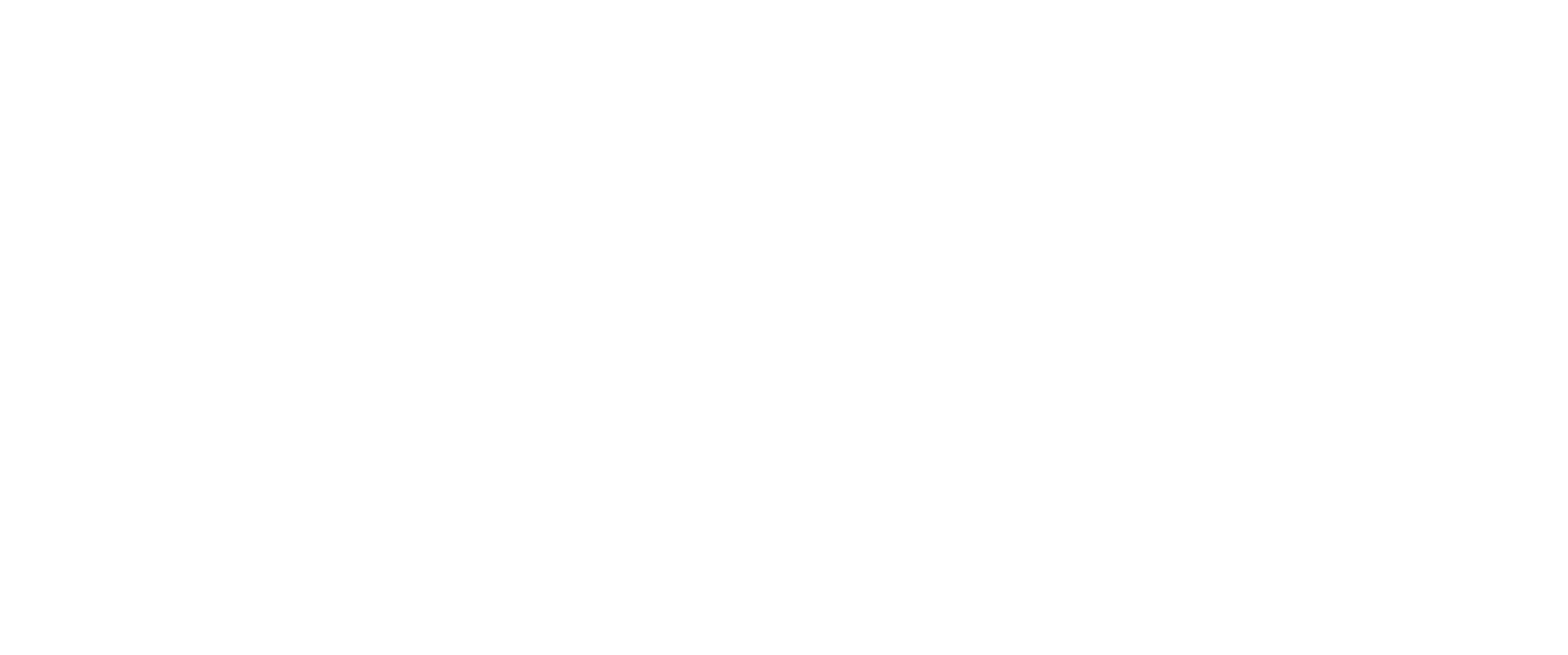
Civic Engagement
Toolkit for
Healthier Communities
A resource for public health professionals, community health workers, and advocates — covering voter engagement, legislative advocacy, and community organizing.
New!
Civic Engagement's Role in Health

Economic Stability
Policies can improve jobs and community resources

Public Education
Better education systems improve health

Secure Housing
Policies can make affordable and safe neighborhoods

Social Ties
Improves social connection and gives purpose

Food Access
Policies for affordable food and convenient stores

Health Behaviors
Making the healthy choice the easy choice

Access to Care
Decisions about insurance and health programs

Environment & Climate
Decisions for clean air, safe water, and public parks

Transit Options
Policies for good roads, sidewalks, and bus stops
Economic Stability
Policies can improve jobs and community resources
Public Education
Better education systems improve health
Secure Housing
Policies can make affordable and safe neighborhoods
Social Ties
Improves social connection and gives purpose
Food Access
Policies for affordable food and convenient stores
Health Behaviors
Making the healthy choice the easy choice
Access to Care
Decisions about insurance and health programs
Environment & Climate
Decisions for clean air, safe water, and public parks
Transit Options
Policies for good roads, sidewalks, and bus stops
Improve Your Community's Health!
Vote
1
Vote for candidates who support initiatives and policies that will help improve the health and wellbeing of all who live in your community.
2
Help family, friends, and neighbors to make a plan to vote and do it!
3
Consider running for office!
Voting is one of the most powerful ways to influence the policies that shape community health. Use this guide to make sure your vote is informed and counts.
1
Register to Vote
Pre-registration must be received 15 days before an election. Same-day registration is also available in person at your polling place on election day with proof of ID and residence.
2
Choose Your Voting Method
Absentee ballots let you research candidates while you fill out your ballot — a great option if you want more time to decide.
3
Research Candidates for Public Health
Ask candidates: How do you plan to…
- Address health disparities in underserved communities?
- Fund public health initiatives like prevention and education?
- Support preparedness for pandemics or emergencies?
- Improve access to healthy food in rural and low-income areas?
- Reduce environmental health risks like air and water pollution?
- Address rising housing costs and homelessness?
- Remove barriers to care — cost, transportation, provider shortages?
- Improve maternal mortality and infant health outcomes?
- Improve vaccination rates and combat misinformation?
- Reduce chronic diseases like diabetes, heart disease, and cancer?
- Reduce gun violence and other forms of violence?
Use these resources to dig into candidates' records, positions, voting history, and public statements before you fill out your ballot.
GovTrack
VoteSmart
Ballotpedia
Iowa Legis System
County Auditor Websites
City Clerk Websites
Candidate Websites
Op-Eds & News Coverage
Social Media
4
Every Level of Government Affects Your Health
No matter the election, there's always something at stake for public health. Start local — those decisions are closest to your daily life — and work your way up. Every level matters, and every race deserves your attention.
5
Vote!
Make a transportation plan. Check on friends, family, and neighbors who may need a ride. Help someone else make their plan too.
Voice
1
Speak up for health issues that affect the community by writing letters to local officials, attending town hall meetings, or joining advocacy groups focused on healthcare access, environmental health, or other relevant topics.
2
Advocate for policies and practices that promote health equity and address disparities based on race, ethnicity, gender, income or other factors affecting access to healthcare and health outcomes.
3
Share accurate health information from credible sources with friends, family, and neighbors. Write pieces for local newspapers or share on social media.
4
Answer surveys for local health studies or research projects that aim to improve understanding of health issues affecting the community. These are often conducted by your county public health department, clinics, or universities.
Volunteer
1
Seek opportunities to represent your communities on civic boards or commissions – like the school board, park board, or human rights commission. These are the places where the decisions closest to our communities are made.
2
Offer time and skills to local organizations that focus on health-related activities such as community health fairs, vaccination drives, or health education programs.
3
Participate in local health-related events, fundraisers, or campaigns organized by community groups, places of worship, non-profits, or healthcare providers.
4
Start or join efforts to address specific health concerns in your neighborhood or community, such as safe playgrounds, strong schools, or better access to healthcare services.
Barriers to Engagement
Not everyone starts from the same place.
Historical disenfranchisement still shapes who gets to participate in civic life — and who gets left out of the decisions that affect their health.
Solutions
Building a more inclusive civic life.
Real civic engagement means dismantling barriers, not just working around them.
Embrace diversity
Everyone's strengths matter. Inclusive communities get better outcomes.
Reckon with race & power
Honest conversations about racism and power are foundational, not optional.
Invite & listen
Especially those who've been left out. Their voices change the outcome.
Build real trust
Keep promises, follow through, and make sure everyone has a genuine voice.
Honor dissent
Difference of opinion and peaceful protest are how communities learn and grow.
Adapt with your community
Stay open to change and navigate transitions together, fairly.
The Role of Community Health Workers
Community health workers are uniquely positioned to connect patients to their power as civic actors.
Educate patients
Explain how civic participation improves healthcare access, living conditions, and neighborhood safety. Offer voter registration resources and info on local opportunities.
Empower & support
Help patients navigate voting and volunteering. Provide materials on contacting representatives and getting involved in community decisions and advocacy.
Encourage participation
Lead sessions connecting civic engagement to health outcomes. Form peer groups that support involvement and build accountability in the community.